Infrastructure Projects
Extensively used in heavy developments like metros, roads, and bridges, driving over 50% of overall GGBS demand.
Sustainable Strength for Long-Lasting Concrete
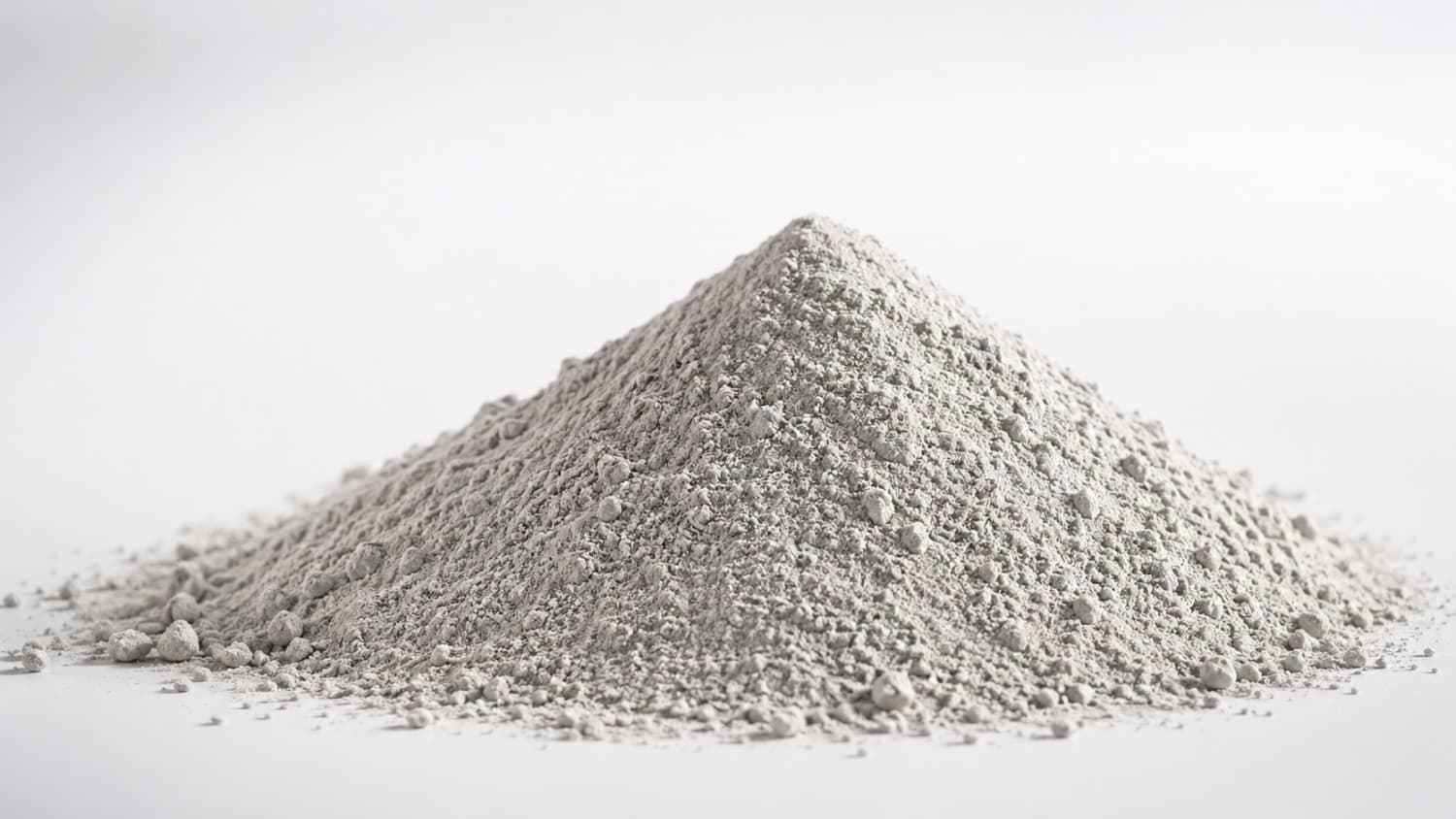
GGBS is a sustainable mineral powder made from processed blast-furnace slag that replaces 25% to 70% of OPC in concrete. It reduces heat of hydration to prevent cracking and boosts long-term strength and chemical resistance.
Extensively used in heavy developments like metros, roads, and bridges, driving over 50% of overall GGBS demand.
Applied in large-scale residential townships and high-rise structures.
Utilized in foundation concreting due to its low heat of hydration.
Replaces traditional cement in concrete manufacturing within a range of 25.00% to 70.00%.
Replaces 60.00% to 65.00% of OPC/fly ash in high-rise building foundation concrete.
Replaces 40.00% to 50.00% of cement in above-ground concrete surfaces.
Formulated into blended cements like Portland Slag Cement (PSC) and Portland Composite Cement (PCC).
Combined with project-based and captive consumption to account for roughly 95.00% of GGBS applications in Fiscal 2024.
Applied in soil stabilization, autoclaved aerated concrete (AAC), grouts, dry mix products, microfine GGBS, and geopolymers.
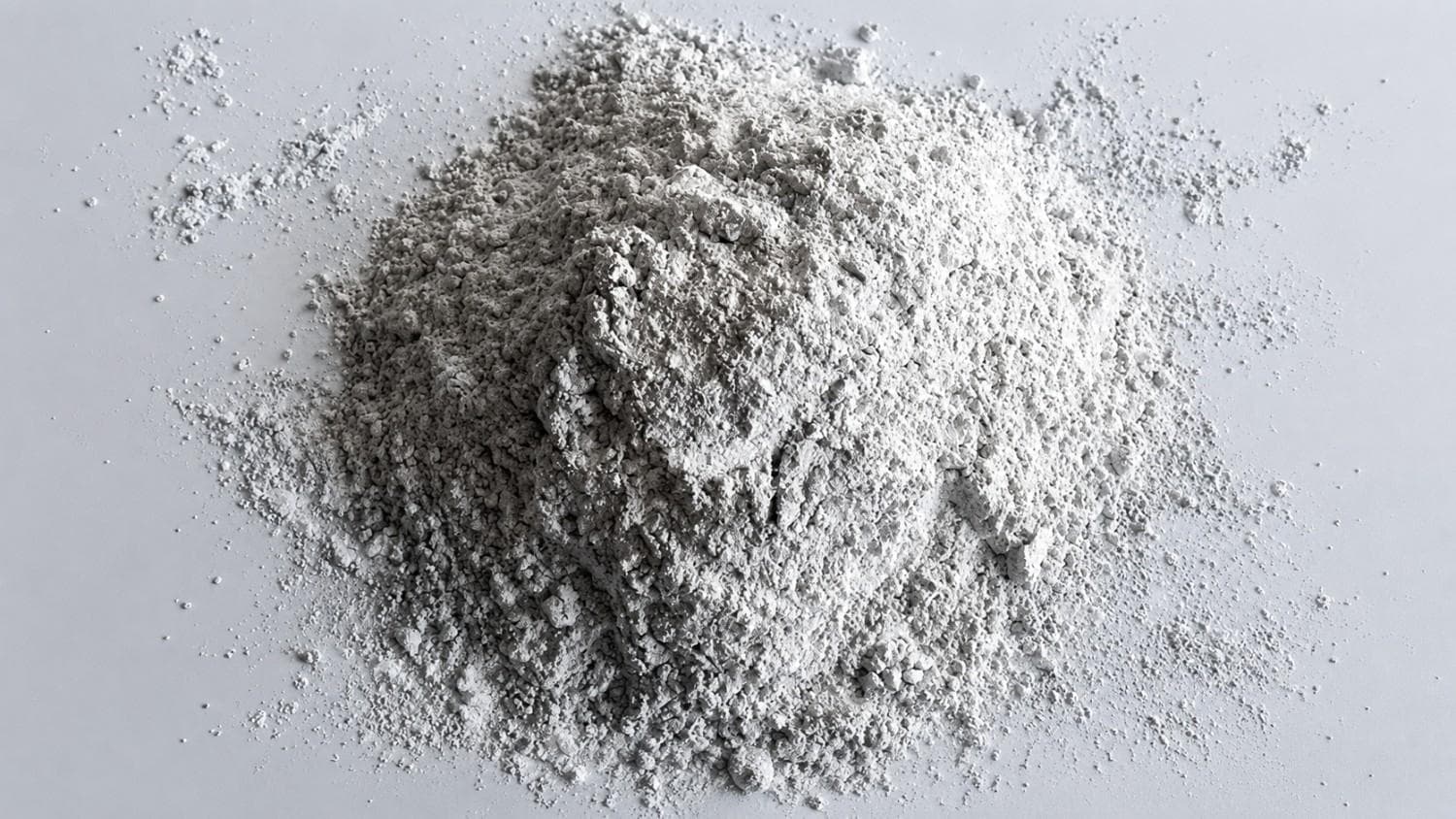
Low Heat of Hydration
High Cement Replacement Potential
Versatile Industry Application
Enhanced Compatibility in Blended Cements
Wide Emerging Utility
Ground Granulated Blast-furnace Slag (GGBS) is an eco-friendly byproduct of steel production that is used as a partial replacement for Ordinary Portland Cement (OPC) in concrete to improve long-term strength, durability, and sustainability.